
Welcome to the Kitchenaid Superba fridge manual. This guide introduces the appliance’s key features and outlines essential safety precautions to protect users and ensure optimal performance. Follow the instructions carefully to avoid hazards and maintain appliance longevity. Read safety warnings before use.!!
1.1 Product Overview
Experience the pinnacle of kitchen technology with the Kitchenaid Superba refrigerator. Designed for modern households, this appliance blends robust performance with sleek aesthetics. The Superba offers a spacious 28‑cubic‑foot capacity, divided into a crisp‑cool fridge compartment and a deep freezer, both featuring adjustable shelving for versatile storage. Its stainless‑steel finish and brushed‑metal accents complement any décor, while the integrated LED lighting provides clear visibility without compromising energy efficiency. Built with precision, the Superba incorporates a dual‑zone temperature control system, allowing separate settings for the fridge and freezer to preserve freshness. The appliance also includes a smart water and ice dispenser, delivering filtered water on demand and ice cubes in multiple sizes. With its quiet operation and low energy consumption, the Superba is engineered to meet the demands of busy kitchens while maintaining a quiet, efficient environment.
The Superba’s quiet‑mode compressor runs at 45 dB, keeping noise low for nighttime use. Its A+++ rating meets the EU’s highest efficiency class, with an annual consumption of about 350 kWh. The built‑in water filter lasts six months, and the ice maker produces up to 1.5 kg of ice daily. A digital display panel offers touch controls for temperature, settings, and maintenance alerts. Dimensions are 70.5 cm wide, 180 cm tall, 65 cm deep. A 10‑year limited warranty covers parts and labor. Enjoy reliable performance for years to come.
1.2 Safety Precautions
Before installing the Kitchenaid Superba refrigerator, read all safety instructions carefully. Keep the appliance away from heat sources, direct sunlight, and high humidity. Ensure the floor is level and stable; use the included leveling feet to adjust. Do not place the unit on uneven or soft surfaces such as carpet or wood that may shift during operation. The refrigerator must be positioned at least 15 cm from walls and other appliances to allow adequate airflow. Do not block the ventilation openings or door seals; keep them clear of obstructions. The unit requires a dedicated, grounded 240‑V outlet with a 10‑A circuit breaker. Do not use extension cords or adapters; they can cause overheating and pose fire hazards. Keep the power cord free of damage and avoid placing it under rugs or near hot surfaces. Disconnect the power before cleaning or performing maintenance. Do not immerse the appliance in water or expose it to high temperatures. The Superba’s water and ice dispenser must be connected to a properly sized water line; use only the supplied fittings and avoid over‑pressurizing the system. The water filter should be replaced every six months or as indicated by the indicator light. Never use the appliance for purposes other than food storage; do not store flammable liquids or chemicals in the fridge or freezer. Keep the door closed when the unit is running; repeated opening can cause temperature fluctuations and reduce efficiency. The appliance’s compressor and motor are designed for continuous operation; avoid overloading the fridge with excessive items that may obstruct airflow. If the unit displays a fault code or the indicator light blinks, refer to the troubleshooting section or contact authorized service personnel. In case of a power outage, do not open the doors until the temperature stabilizes. The Superba’s safety features include a child lock function; enable it when children are present. Keep the appliance’s interior and exterior clean; do not use abrasive cleaners that may damage the finish. Follow all local electrical codes and regulations during installation. The manufacturer’s warranty covers parts and labor for ten years; keep the purchase receipt and warranty card in a safe place. By following these precautions, you ensure safe, efficient, and reliable operation of your Kitchenaid Superba refrigerator. Always keep the appliance’s user manual within reach for reference. Follow all local regulations.!
Installation and Setup
Place the Superba on a level floor, 15 cm from walls. Connect the 240‑V power cord to a grounded outlet; do not use extension cords. Attach the water line with the supplied fittings, ensuring no leaks. Allow 30 min for the fridge to stabilize before loading. Check door seals and keep the unit’s temperature at 4°C
2.1 Unpacking and Placement
Begin by carefully removing the Kitchenaid Superba refrigerator from its packaging. Inspect the outer box for any visible damage; if the box is compromised, contact the retailer before proceeding. Place the unit on a stable, level surface, ensuring at least 15 cm clearance on all sides for proper airflow. Use a non‑slip mat or rubber pads to prevent vibration and protect the floor. Keep the refrigerator in a dry area, away from direct sunlight, heat sources, or moisture. Once positioned, allow the appliance to stand upright for at least 30 minutes before plugging it in. This rest period ensures the compressor oil settles and the internal components are properly aligned. Verify that the floor is level by using a spirit level; adjust the feet as needed. Avoid placing the fridge on uneven or sloped surfaces, as this can affect temperature regulation and cause excessive vibration. After leveling, check that the door hinges are free of obstructions and that the door gasket is intact and properly seated. A tight seal is essential for energy efficiency and food safety. Finally, ensure that the refrigerator is not placed near a vent or exhaust that could compromise its cooling performance. Follow these steps to guarantee optimal installation and longevity of your appliance. During unpacking, remove all protective films and cardboard inserts carefully. The Superba includes a set of removable side panels and a door seal kit; keep these components in a safe location until installation. If transported on its side, allow it to sit upright for 24 hours before use to prevent oil displacement. The manufacturer recommends using a calibrated thermometer to verify the internal temperature after the first 24 hours of operation. After the initial cooling, adjust the temperature controls to the desired setting and monitor the display for any error codes.
2.2 Connecting the Power Supply
Before connecting the Kitchenaid Superba refrigerator to a power source, verify that the outlet matches the appliance’s voltage and amperage specifications—typically 120 V/15 A in North America or 230 V/10 A in Europe. Use a dedicated, grounded outlet; avoid multi‑tap extensions or power strips, as these can cause voltage drops or overloads. Inspect the power cord for any visible damage: frayed insulation, exposed wires, or bent pins. If any defects are found, replace the cord with a certified Kitchenaid replacement before proceeding. Connect the plug firmly into the outlet, ensuring a snug fit; a loose connection can lead to arcing and fire hazards. Once plugged in, turn the main switch on and observe the indicator lights. The Superba’s LED panel should display a steady “ON” status, and the compressor should engage after a brief startup period. If the unit does not power on, double‑check the outlet by testing with another appliance, and verify that the circuit breaker has not tripped. For installations in damp or high‑humidity areas, use a GFCI outlet to provide additional protection against electrical shock. Keep the area around the refrigerator clear of combustible materials, and maintain at least 30 cm of clearance on all sides to allow proper ventilation. Finally, after the first 24 hours of operation, use a calibrated thermometer to confirm that the internal temperature stabilizes within the manufacturer’s recommended range. Proper power connection is essential for safety, energy efficiency, and the longevity of the appliance. Connections must be secure.

Operating the Refrigerator
Turn the main switch on to start the compressor. Use the digital display to set desired temperature; the Superba auto‑adjusts to maintain it. Press the “Auto” button for rapid cooling, and the “Eco” mode for energy savings. Monitor the indicator lights for status updates. Enjoy!
3.1 Powering On and Off
Before powering the Kitchenaid Superba refrigerator, verify that the unit is positioned on a flat, stable surface and that the electrical outlet matches the appliance’s voltage (120 V) and amperage (15 A) specifications. The main power switch, a large red button labeled “ON/OFF,” is located on the rear panel. Press it once to engage the compressor; the indicator light will turn on, confirming that the refrigerator is active. The unit will automatically cycle the compressor to reach the temperature set on the digital display.
To turn the refrigerator off, press the same button again. The compressor will shut down, and the indicator light will dim. If you plan to perform maintenance, first unplug the power cord from the outlet. Wait at least 30 minutes after switching off the unit before cleaning the interior or accessing the evaporator coils to avoid frost buildup and reduce the risk of electric shock.
For an emergency shutdown, locate the emergency stop switch on the front panel. This switch immediately cuts power to the compressor and the control board. Always follow the manufacturer’s safety guidelines: keep the refrigerator away from water sources, avoid placing it near heat vents, and ensure adequate clearance for airflow. Proper use of the power controls not only protects users but also extends the compressor’s lifespan and maintains energy efficiency.
When connecting the power cord, ensure the plug is fully inserted into the outlet and that the cord is free of kinks or damage. The Superba’s internal fuse protects against overload; if the unit fails to start, check the fuse and replace it if necessary. Do not use extension cords or power strips that exceed the appliance’s rated capacity. The refrigerator’s power consumption is listed on the back panel; keep the total load below the recommended limit to prevent tripping the circuit breaker.
Keep the back panel dust‑free for optimal airflow.
3.2 Temperature Control Settings
Adjusting the Kitchenaid Superba’s internal climate is straightforward thanks to its intuitive digital interface. The main control panel, located on the front door, features a large, back‑lit display that shows the current temperature and the setpoint for both the fridge and freezer compartments. To change the fridge temperature, press the “Fridge Temp” button; a cursor will appear beside the current value. Use the “+” or “–” keys to raise or lower the temperature in 0.5 °C increments, ranging from 1 °C to 8 °C. The optimal setting for most users is 4 °C, which keeps perishable foods fresh without excessive energy use.
Setting the freezer temperature follows a similar procedure. Press the “Freezer Temp” button, then adjust with the “+” or “–” keys. The freezer’s range is 0 °C to –18 °C, with the recommended setting at –15 °C for long‑term storage. The Superba’s smart sensor monitors temperature fluctuations and compensates for door openings, ensuring consistent conditions daily on.
For advanced users, the “Eco Mode” can be activated by pressing the “Eco” button. When enabled, the refrigerator will allow the internal temperature to drift up to 2 °C above the setpoint during periods of low load, reducing compressor cycles and saving energy. Eco Mode is particularly useful in summer months or when the fridge is lightly stocked.
To view the current temperature history, press the “History” button. The display will scroll through recent temperature readings, allowing you to verify that the unit is operating within the desired range. If the temperature deviates beyond ±1 °C of the setpoint, the system will trigger a warning light and sound an audible alert. In such cases, check for blocked vents, door seal integrity, and ensure the fridge is not overloaded.
All temperature adjustments are stored in the unit’s non‑volatile memory, so settings persist even after power cycling. For a quick reset to factory defaults, hold the “Reset” button for 5 seconds; the display will flash, and all parameters will revert to their original values. Remember to re‑configure your preferred temperatures after a reset.
For seasonal adjustments, the Superba includes a “Seasonal” preset that tweaks the fridge and freezer temperatures based on ambient room temperature. To activate, press the “Seasonal” button; the display will show “Summer” or “Winter” mode. In summer, the fridge temperature may be set to 5 °C and the freezer to –12 °C to compensate for higher ambient heat. In winter, the fridge may be set to 3 °C and the freezer to –16 °C. This feature helps maintain food safety while optimizing power consumption.
Features and Functions
The Kitchenaid Superba offers precise temperature control, an intuitive digital display, energy‑saving Eco Mode, quick‑start presets, and a built‑in humidity sensor that keeps produce crisp while reducing waste. Its sleek design blends seamlessly into modern kitchens. Enjoy! Use!
4.1 Advanced Temperature Control
The Kitchenaid Superba refrigerator incorporates a sophisticated digital temperature control system that allows users to set precise temperature ranges for both the fridge and freezer compartments. With 0.5°C increments and customizable presets for dairy, meats, and vegetables, the appliance maintains optimal storage conditions that preserve freshness and extend shelf life.
Dual‑zone management enables independent control of the main fridge and the dedicated freezer drawer, preventing cross‑contamination and maintaining ideal humidity levels. A rapid‑cooling mode quickly brings the interior to the desired temperature after a door is opened or new items are added. Smart sensors monitor ambient fluctuations and automatically compensate to keep the setpoint stable, logging data for trend analysis via the companion mobile app.
Safety features include an over‑temperature alarm that alerts users when the interior temperature rises beyond a user‑defined threshold, and a programmable “vacation mode” that maintains a slightly higher temperature to conserve energy during extended absences. These options provide peace of mind and energy savings.
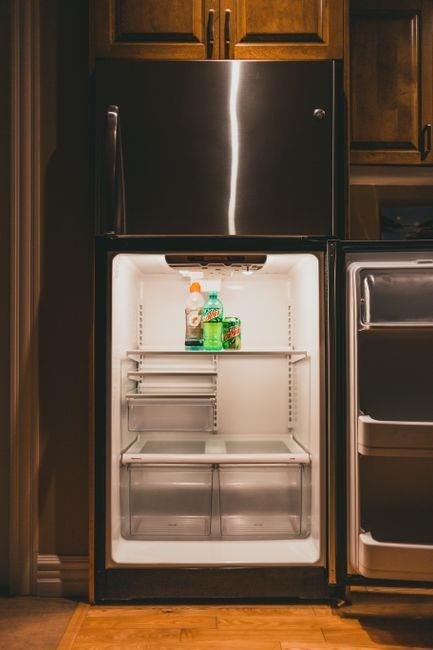
Calibration is straightforward: initiate a self‑check routine from the control panel to verify sensor accuracy against a reference temperature. If discrepancies exceed 0.5°C, the system prompts recalibration or service contact. Regular maintenance—cleaning condenser coils every six months and checking door seals quarterly—ensures efficient operation and prevents temperature drift.
Optional firmware updates enhance temperature algorithms, improving response times and reducing power consumption. Updates are available through the Kitchenaid app, which also offers troubleshooting tips and firmware version history. Keeping the firmware current maximizes performance and energy efficiency, ensuring the Superba delivers precise, adaptable, and user‑friendly cooling for every item stored.
4.2 Energy Saving Modes
The Kitchenaid Superba refrigerator offers multiple energy‑saving configurations designed to reduce power consumption without compromising food safety. The default Eco‑Mode automatically adjusts compressor cycling based on ambient temperature and door‑open frequency, achieving up to 15% savings during peak load periods. Users can also enable the Night‑Shift setting, which raises the internal temperature by 2°C during off‑peak hours, further cutting energy use while keeping perishables within safe limits.
For households that prioritize sustainability, the Superba includes a Smart‑Save feature that syncs with the Kitchenaid mobile app. By analyzing daily usage patterns, the system predicts optimal temperature setpoints and pre‑cools the unit only when needed. This predictive algorithm reduces unnecessary compressor activity, extending the appliance’s lifespan and lowering electricity bills.
Additionally, the refrigerator’s “Vacation Mode” maintains a slightly higher temperature for the freezer compartment while keeping the main fridge at a standard setting. When activated, the unit enters a low‑power standby state, drawing only 5% of its normal consumption. This mode is ideal for travelers or during extended periods of inactivity.
All energy‑saving options are fully adjustable via the intuitive touch‑screen panel. Users can toggle modes, set custom temperature thresholds, and view real‑time power usage statistics. The Superba also features a built‑in energy‑monitor that logs consumption data, allowing users to track savings over time and receive alerts when usage deviates from expected patterns.
To maximize efficiency, keep the condenser coils clean and ensure door seals remain intact. Regular maintenance combined with the advanced energy‑saving modes guarantees that the Kitchenaid Superba refrigerator delivers reliable performance while keeping your utility costs low.

Maintenance and Troubleshooting
The Kitchenaid Superba requires routine cleaning of coils, door seals, and interior. Check for frost buildup; defrost when temperature rises >5°C. If compressor stalls, inspect power supply and thermostat. For noise, verify level placement. Contact support if unresolved. Use the app for diagnostics.!
5.1 Cleaning and Degreasing
Unplug the Kitchenaid Superba and let the interior cool. Remove all food items and place them in a cooler or another refrigerator. Wipe shelves, drawers, and door panels with a soft cloth dampened in a mild detergent solution (water and dish soap). Avoid abrasive cleaners or scouring pads that could damage the finish. For stubborn stains, apply a paste of baking soda and water, let sit ten minutes, then gently scrub with a non‑abrasive sponge. Rinse thoroughly with a clean, damp cloth and dry with a microfiber towel to prevent water spots. Clean the condenser coils on the back or beneath the unit using a coil brush or a vacuum with a brush attachment to remove dust and debris. Inspect the door gasket for cracks or mold; if mold is present, scrub with a solution of equal parts water and white vinegar, rinse, and dry. Replace any damaged gaskets to maintain a proper seal. Degrease the evaporator fan and interior vents. Remove the fan cover, then use a soft brush or a vacuum to clear dust. Avoid using liquids directly on the fan blades. If grease buildup is visible, apply a small amount of isopropyl alcohol to a cloth and wipe the surfaces carefully. Ensure the fan is completely dry before reassembly. Inspect the drain pan and drain tube for blockages. Clear any obstructions with a pipe cleaner or a small brush. A clogged drain can cause water to accumulate and lead to mold growth. Once all components are clean and dry, reassemble the unit, plug it back in, and allow it to reach the desired temperature before restocking. Maintenance preserves performance and food safety and energy efficiency! now

5.2 Common Issues and Solutions
Common problems with the Kitchenaid Superba often stem from simple user actions or environmental factors. If the unit runs hot or cool, first check that the temperature dial is set correctly and that the interior is not overcrowded; excess items block airflow and force the compressor to work harder. A persistent “not cooling” symptom usually indicates a faulty thermostat or a clogged evaporator coil. Clean the coils with a brush or vacuum, then reset the thermostat by turning the unit off for 30 seconds and back on. Door seal leaks are a frequent culprit for energy loss: inspect the rubber gasket for cracks or mold, clean it with warm, soapy water, and dry thoroughly. If the gasket is damaged, replace it with a model‑specific part. Frost accumulation in the freezer can be caused by a stuck defrost drain or a malfunctioning defrost timer. Clear the drain with a pipe cleaner, then manually trigger the defrost cycle by setting the freezer to “defrost” mode for 30 minutes. Loud compressor noise may be due to loose mounting bolts or a worn motor bearing; tighten all mounting screws and, if the noise persists, contact service. Water leakage from the drain pan is often the result of a clogged drain tube; flush the tube with a long, thin brush. Finally, if the digital display shows error codes, refer to the code list in the manual and follow the prescribed reset procedure. Regular maintenance—cleaning coils, checking seals, and ensuring proper airflow—will keep the Superba running reliably and efficiently. Keep cool and enjoy! daily
Be First to Comment