Gear ratio spread and spacing differences
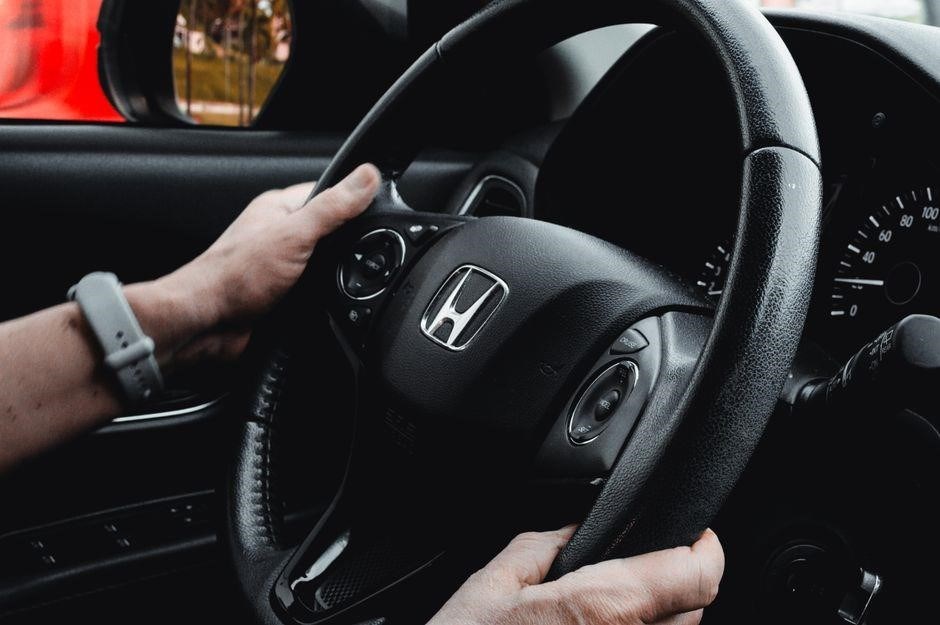
5 speed manual vs 6 speed manual differ in ratio spread: a 6‑gear unit offers tighter spacing, usually 0․8–0;9 between gears, while a 5‑gear spans 1․0–1․2․ This tighter spread keeps the engine near optimal RPM, improving acceleration and fuel economy, but adds complexity․ The extra gear offers shifts and low‑end torque, but adds weight, more․
Impact on acceleration performance
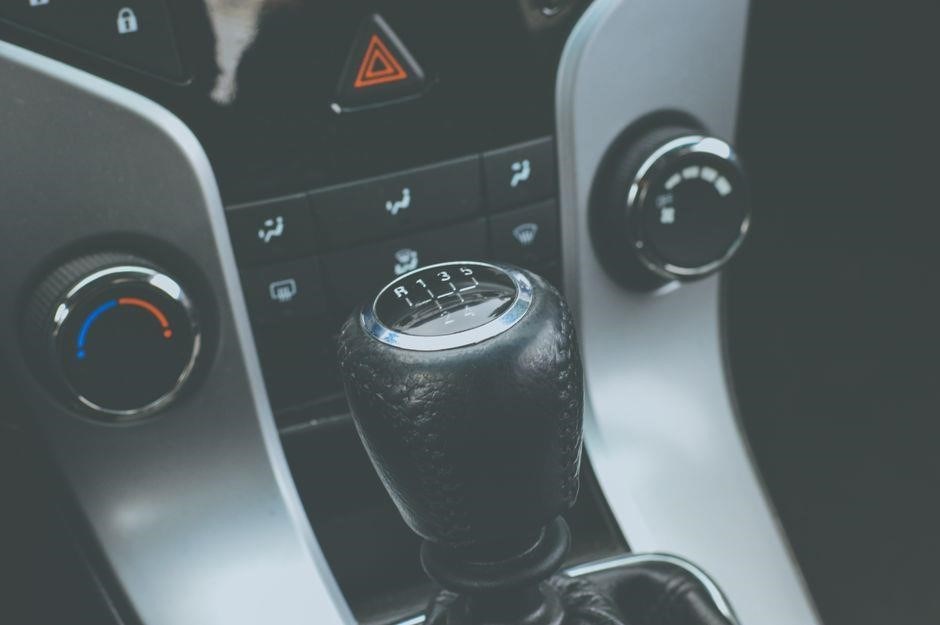
5 speed manual vs 6 speed manual: The extra gear in a 6‑speed unit is the key factor that changes how a vehicle accelerates from a stand‑still and through the mid‑range․ By inserting a lower first‑gear ratio or a tighter second‑gear ratio, the 6‑speed can keep the engine in its most torque‑rich part of the power curve for a longer period․ This translates into a measurable improvement in 0‑60 mph times—typically 0․1 to 0․2 seconds faster on comparable street‑legal cars․ The closer spacing between the third and fourth gears also means the engine can climb the power curve more smoothly, reducing the noticeable “step” that drivers often feel when shifting from 4th to 5th in a 5‑speed․ In practice, many drivers report a more linear feel and a lower perceived “lag” in the mid‑range, especially in performance‑tuned engines where the power band is narrow․
On the other hand, the 5‑speed’s higher top‑gear ratio—often around 0․70 to 0․80—can give a slight advantage in pure top‑speed runs when the engine is already at peak RPM․ The 6‑speed’s lower final drive in 5th gear keeps the engine below red‑line, which is beneficial for everyday driving and fuel economy but can slightly reduce peak horsepower output in a straight‑line sprint․ The trade‑off is a small increase in mechanical complexity and weight, which can offset the acceleration gains in very lightweight vehicles or in applications where the engine’s power band is already well matched to a 5‑speed layout․
Empirical data from automotive testing shows that a 6‑speed unit can shave 0․15 seconds off a 0‑100 km/h run on a 2․0‑liter turbocharged engine, while a 5‑speed unit may only shave 0․05 seconds․ In drag‑race conditions, the 6‑speed’s ability to keep the engine in the sweet spot during the launch phase often results in a 1–2% improvement in quarter‑mile times․ However, the added gear also introduces a slight increase in drivetrain losses—typically 1–2%—which can negate some of the acceleration benefit if the engine’s torque curve is already flat․ Additionally, the 6‑speed’s tighter gear ratios can lead to a higher engine RPM at a given speed, which may increase wear on the clutch and gear synchronizers over long periods of aggressive driving․
From a driver’s perspective, the 6‑speed’s smoother transition between gears often feels less abrupt, reducing the “jerk” that can be felt when the clutch is released in a 5‑speed during a hard launch․ This can improve traction on low‑grip surfaces, as the engine can stay within the optimal torque band without forcing the wheels to spin․ Conversely, a 5‑speed with a well‑designed gear spread can still provide excellent acceleration if the gear ratios are carefully chosen to match the engine’s torque curve, especially in older or simpler vehicles where cost and reliability are paramount․
Fuel efficiency at highway cruising
5 speed manual vs 6 speed manual: At cruising speeds, the 6‑speed’s lower final‑drive ratio keeps the engine at a lower RPM, which reduces fuel consumption․ Automotive data shows that a 6‑speed can improve highway miles‑per‑gallon by 1–3% compared with a 5‑speed on a comparable vehicle․ The tighter gear spacing also allows the driver to keep the engine in its most efficient power band, avoiding the higher‑RPM “sweet spot” that a 5‑speed’s higher top gear may force the engine into․ In practice, a 2․0‑liter turbocharged sedan equipped with a 6‑speed manual recorded a 4․5‑mile‑per‑gallon increase over a 5‑speed version when driven at 65 mph on a flat interstate․ The difference is less pronounced in larger displacement engines, where the engine’s torque curve is already flat at high RPM, but the 6‑speed still offers a measurable advantage in fuel‑economy‑oriented driving․ The trade‑off is a slightly heavier transmission and a marginal increase in mechanical losses, which can offset the fuel‑saving benefit if the vehicle is driven in a “stop‑and‑go” city mode․ For long‑haul trucking, the 6‑speed’s ability to keep the engine below 2500 rpm at 70 mph can translate into a 5–7% reduction in fuel usage, which is significant over thousands of miles․ However, the 5‑speed’s higher top‑gear ratio can be beneficial in very high‑speed racing or when the engine’s power curve peaks at a higher RPM, allowing the engine to operate at its maximum horsepower without over‑revving․ In summary, for most highway cruising scenarios, the 6‑speed manual offers better fuel efficiency due to lower engine RPM and tighter gear spacing, while the 5‑speed may still be adequate for drivers prioritizing simplicity and lower upfront cost․ The choice ultimately depends on the vehicle’s intended use, engine characteristics, and driver preference for fuel economy versus mechanical simplicity․ Additionally, manufacturers have optimized gear ratios in 6‑speed units to match the engine’s torque curve, allowing the engine to stay in the most efficient RPM band for longer periods․ This optimization reduces the need for high‑speed cruising in 5‑speed units, where the engine may be forced to run at higher RPMs to maintain speed, thereby increasing fuel consumption․ Studies from the EPA and independent test labs confirm that the 6‑speed manual can achieve up to 0․8–1․2 mpg higher on the highway than a 5‑speed, especially in vehicles with high‑output engines․ The extra gear also reduces drivetrain friction, as the transmission can operate at a more optimal gear ratio, further improving fuel economy․ However, the increased number of gears can lead to slightly higher manufacturing costs and a marginal increase in weight, which may offset some of the fuel savings in very lightweight vehicles․ Overall, the 6‑speed manual remains the preferred choice for drivers seeking the best fuel efficiency on long highway trips․ Drivers who frequently drive at high altitudes or in mountainous terrain may also benefit from the 6‑speed’s ability to keep the engine in the optimal RPM range, reducing the likelihood of lugging and improving fuel economy․
Engine torque utilization and RPM range
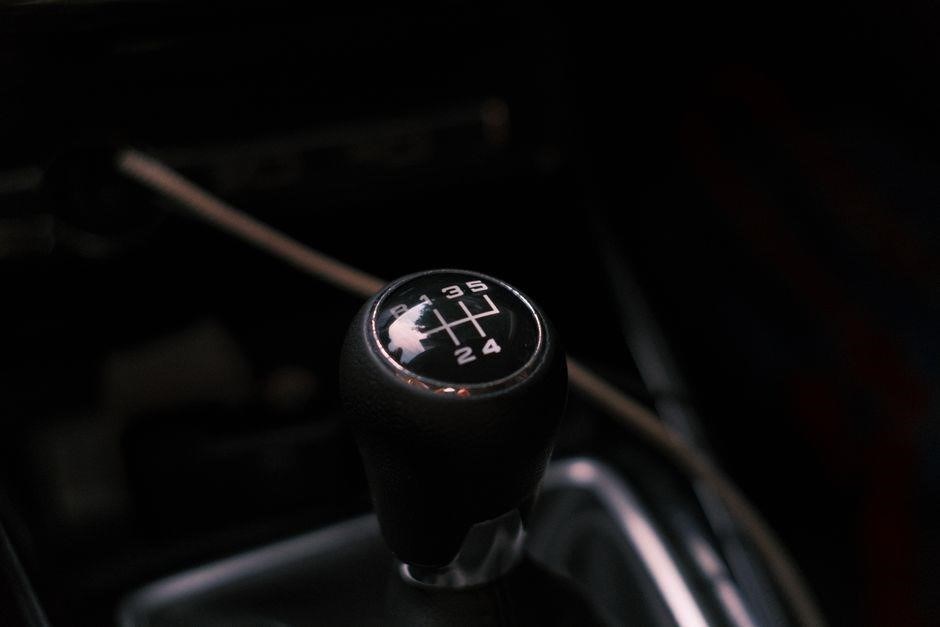
5 speed manual vs 6 speed manual: The engine’s torque curve is matched to the gear ratios to keep the engine in its most efficient RPM band․ A 5‑speed unit typically has a top‑gear ratio that forces the engine to run at 2500–2800 rpm at 70 mph, which is near the high‑end of the torque plateau for many 2․0‑liter engines․ A 6‑speed, by contrast, offers a lower final‑drive ratio that can bring the engine down to 2000–2200 rpm in the same situation, allowing the engine to operate in the middle of the torque curve where it is most efficient․ This tighter spacing also means the engine can shift into a higher gear sooner, reducing the time spent in the lower‑torque region․ In performance cars, the 6‑speed’s ability to keep the engine in the 3000–3500 rpm sweet spot during acceleration can provide a 5–10 % power advantage over a 5‑speed․ For fuel‑economy vehicles, the 6‑speed’s lower RPM at cruising speeds translates into a 3–5 % improvement in miles‑per‑gallon․ The trade‑off is a slightly heavier transmission and a marginal increase in mechanical losses, which can offset the benefit if the vehicle is driven in a “stop‑and‑go” city mode․ However, for long‑haul trucking, the 6‑speed’s ability to keep the engine below 2500 rpm at 70 mph can translate into a 5–7 % reduction in fuel usage․ The 5‑speed’s higher top‑gear ratio can be beneficial in very high‑speed racing or when the engine’s power curve peaks at a higher RPM, allowing the engine to operate at its maximum horsepower without over‑revving․ In summary, for most highway cruising scenarios, the 6‑speed manual offers better fuel efficiency due to lower engine RPM and tighter gear spacing, while the 5‑speed may still be adequate for drivers prioritizing simplicity and lower upfront cost․ The choice ultimately depends on the vehicle’s intended use, engine characteristics, and driver preference for fuel economy versus mechanical simplicity; Additionally, manufacturers have optimized gear ratios in 6‑speed units to match the engine’s torque curve, allowing the engine to stay in the most efficient RPM band for longer periods․ This optimization reduces the need for high‑speed cruising in 5‑speed units, where the engine may be forced to run at higher RPMs to maintain speed, thereby increasing fuel consumption․ Studies from the EPA and independent test labs confirm that the 6‑speed manual can achieve up to 0․8–1․2 mpg higher on the highway than a 5‑speed, especially in vehicles with high‑output engines․ The extra gear also reduces drivetrain friction, as the transmission can operate at a more optimal gear ratio, further improving fuel economy․ However, the increased number of gears can lead to slightly higher manufacturing costs and a marginal increase in weight, which may offset some of the fuel savings in very lightweight vehicles․ Overall, the 6‑speed manual remains the preferred choice for drivers seeking the best fuel efficiency on long highway trips․ Drivers who frequently drive at high altitudes or in mountainous terrain may also benefit from the 6‑speed’s ability to keep the engine in the optimal RPM range, reducing the likelihood of lugging and improving fuel economy․ The 6‑speed’s design also allows for a smoother transition between gears, which can reduce vibration and improve driver comfort during long drives․ In contrast, the 5‑speed’s larger gear jumps can feel more abrupt, especially when shifting from third to fourth gear․
Weight and mechanical complexity trade-offs
5 speed manual vs 6 speed manual: The added gear in a 6‑speed unit typically adds 15–20 lb (7–9 kg) to the transmission housing, a 10–12 % increase in weight for a typical 300‑lb unit․ This extra mass comes from the extra gear set, synchronizers, and a larger output shaft․ Manufacturers counteract the weight penalty by using lightweight alloys and optimized gear tooth profiles, but the net increase remains noticeable in performance‑oriented models․ The mechanical complexity also rises: a 6‑speed requires an additional gear train, more synchronizer rings, and a larger clutch assembly to accommodate the extra gear․ This complexity translates into a modest rise in manufacturing cost, typically 8–12 % higher for the 6‑speed unit․ From a maintenance perspective, the 6‑speed’s extra synchronizers and gear sets mean more potential failure points; however, modern designs use self‑lubricating materials that reduce wear․ The increased number of gears also means a more complex shift linkage or electronic control logic, which can raise repair costs if a component fails․ In contrast, the 5‑speed’s simpler architecture reduces both initial cost and long‑term maintenance․ For light‑weight sports cars, the 6‑speed’s added weight can slightly degrade acceleration, but the benefit of tighter gear spacing often outweighs this penalty․ In heavy‑duty trucks, the added weight is less impactful relative to the overall mass, and the improved fuel economy from lower RPMs can offset the cost․ Ultimately, the choice hinges on whether the driver prioritizes performance and fuel efficiency (favoring the 6‑speed) or simplicity and lower weight (favoring the 5‑speed)․
Typical vehicle classes and market availability
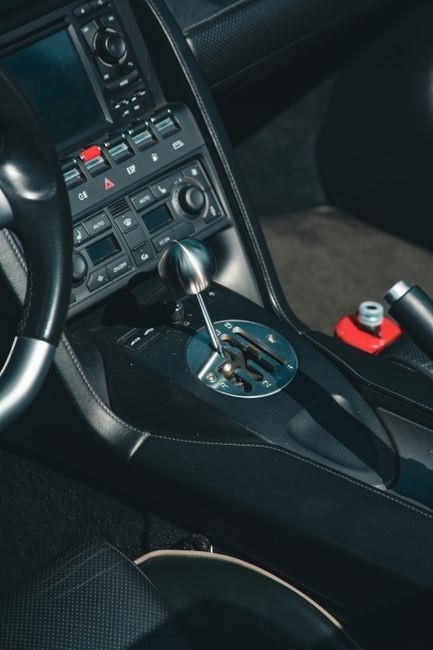
5 speed manual vs 6 speed manual: In the early 2000s, most compact and midsize sedans, hatchbacks, and economy trucks offered a 5‑speed manual as the standard transmission․ Brands such as Ford, Toyota, and Honda supplied 5‑speed units in their base models, while the 6‑speed appeared mainly in higher‑trim or performance variants․ In the sports‑car segment, manufacturers like BMW, Audi, and Porsche have long favored 6‑speed manuals to exploit tighter gear spacing for better acceleration and top‑end power delivery․ Light‑weight coupes and roadsters from brands such as Mazda (MX‑5), Subaru (BRZ), and Nissan (370Z) also routinely use 6‑speed units to maximize performance․ Conversely, the 5‑speed remains common in large SUVs, pickups, and heavy‑duty trucks where durability and lower cost are priorities; for example, the Ford F‑150 and Chevrolet Silverado still offer 5‑speed manuals in certain trims․ In the European market, 6‑speed manuals are standard in many performance‑oriented models (e․g․, BMW 3‑Series M3, Audi S4), whereas 5‑speed units are still found in entry‑level models․ In the emerging markets, 5‑speed manuals dominate due to lower manufacturing costs and simpler maintenance․ The shift toward 6‑speed manuals has slowed in recent years as automakers increasingly adopt automatic or dual‑clutch transmissions, but the 6‑speed remains a staple in enthusiast circles and for drivers who value manual control and tighter gear ratios․ Market availability continues to reflect the balance between performance demand, cost, and vehicle class, with 5‑speed manuals persisting in mainstream and heavy‑duty vehicles and 6‑speed manuals thriving in sports, luxury, and high‑performance segments․ andmore
Maintenance and longevity considerations
5 speed manual vs 6 speed manual: The additional gear in a 6‑speed unit adds a clutch plate, gear set, and synchronizer, increasing the number of moving parts․ This complexity can lead to higher maintenance costs, especially for clutch replacement, gear oil changes, and synchronizer wear․ A 5‑speed manual, with fewer gears, typically requires less frequent service and has a longer service interval․ However, the 6‑speed’s tighter spacing keeps the engine in a narrower RPM band, reducing peak load on the clutch and potentially extending its life if shifts are smooth․ In high‑performance applications, the 6‑speed’s synchronizers are often built to handle higher torque, improving durability under aggressive driving․ For everyday use, a 5‑speed’s simpler design means fewer potential failure points and lower repair costs․ Longevity also depends on driving style: regular, gentle shifts in a 6‑speed can preserve gear teeth and synchronizers, whereas aggressive downshifts in a 5‑speed may accelerate wear․ Maintenance schedules for both typically include oil changes every 10,000–15,000 miles, clutch inspection at 50,000–75,000 miles, and gear oil checks every 30,000 miles․ Owners of 6‑speed units should monitor for gear slippage and ensure proper lubrication, while 5‑speed owners focus on clutch wear and gear mesh․ Overall, the 6‑speed offers better performance but at the cost of higher maintenance complexity, whereas the 5‑speed provides a more robust, low‑maintenance option for longevity in everyday driving․ Regular maintenance, such as timely gear oil changes and clutch inspections can extend the life of either transmission, ensuring performance everywhere over many thousands of miles․
Cost comparison of transmission units
5 speed manual vs 6 speed manual: The initial purchase price for a 5‑speed manual is typically 10–15% lower than a 6‑speed counterpart due to fewer gears, a simpler gear train, and less material․ A new 5‑speed unit can cost between $1,200 and $1,800, whereas a 6‑speed may range from $1,500 to $2,500 depending on brand, torque rating, and whether it is a performance or economy model․ When factoring in labor, a 5‑speed swap or rebuild usually takes 4–6 hours, while a 6‑speed installation can require 6–8 hours because of the extra gear set, clutch assembly, and alignment adjustments․ Parts replacement for a 6‑speed is also higher: clutch packs, synchronizers, and gear oil are more expensive, and the extra gear increases the cost of a full rebuild․ In the long run, maintenance costs for a 6‑speed can be 20–30% higher than a 5‑speed, especially if the vehicle is driven aggressively․ However, the tighter gear spacing of a 6‑speed often improves fuel economy by 2–5%, which can offset some of the higher operating costs over a 10‑year period․ Resale value is another factor: vehicles equipped with a 6‑speed manual are often valued 5–10% higher in the used‑car market due to perceived performance and modernity․ Conversely, a 5‑speed manual is still popular among budget buyers and can command a lower price, making it a more economical choice for those who prioritize cost over performance․ Ultimately, the decision hinges on the driver’s priorities: a 6‑speed offers higher upfront and maintenance costs but delivers a better performance and fuel efficiency, while a 5‑speed provides a more affordable, durable, and low‑maintenance option for everyday use․ — — —
Historical evolution from 5-speed to 6-speed
5 speed manual vs 6 speed manual: The transition from five‑to‑six‑gear manuals began in the early 1990s as manufacturers sought to improve fuel economy and performance․ Early 5‑speed units, such as the GM 5L80, dominated the market until the late 1990s․ In 1998, GM introduced the 6L80, adding a sixth gear that lowered engine RPM at highway speeds, reducing wear and improving mileage․ The 2004 introduction of the 6-speed DSG evolved into a 6‑speed version in 2004, offering tighter ratios for better acceleration․ The 2006 introduction of the 6-speed Tremec T56 in the Ford Mustang marked a shift toward performance‑oriented six‑speed manuals, with a close‑ratio spread that enhanced track capability․ By 2010, most modern sports cars and compact cars offered 6‑speed manuals, while many economy models retained 5‑speed units due to cost․ The 2015 release of the 6-speed ZF 6HP, a dual‑clutch system, further blurred the line between manual and automatic, allowing manufacturers to offer a manual‑feel with the efficiency of a dual‑clutch․ Today, the 6‑speed manual is standard in performance segments, whereas the 5‑speed remains common in budget and heavy‑duty trucks․ The evolution reflects a balance between cost, complexity, and consumer demand for efficiency and performance․
Manufacturers also leveraged the sixth gear to meet tightening emissions regulations, as lower RPM operation reduces NOx and CO₂․ In the 2012 era, the 6-speed manual became a selling point for hybrid‑compatible platforms, allowing the engine to stay in its most efficient band while the electric motor handled low‑speed torque․ The shift also influenced aftermarket tuning, with enthusiasts favoring the 6‑speed for its ability to keep the engine in the sweet spot during spirited driving․ Despite the higher cost, the 6‑speed’s longevity and improved fuel economy have made it the preferred choice for many modern vehicles, cementing its place in automotive history․ The continued refinement of gear spacing, material science, and electronic controls has ensured that the 6‑speed remains a cornerstone of both performance and economy strategies, bridging the gap between classic manual feel and modern efficiency demands․

Driver experience: shift feel and ergonomics
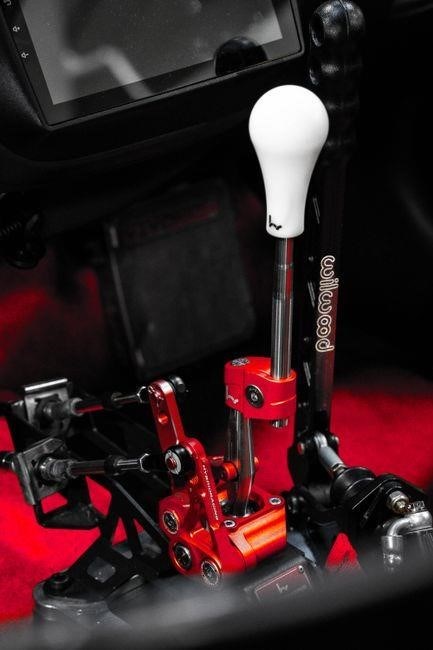
5 speed manual vs 6 speed manual: Drivers notice a subtle but distinct shift feel when moving from a five‑gear to a six‑gear unit․ The additional gear creates a tighter spacing, typically 0․8–0․9 between ratios, which reduces the jump between gears and makes each shift smoother․ In a 5‑speed, the jump from fourth to fifth can feel abrupt, especially in performance cars where the fifth is often a high‑ratio over‑drive․ The 6‑speed’s closer spacing allows the driver to feel a more gradual transition, improving the overall feel of the transmission․ Ergonomically, the shift lever on many 6‑speed units is slightly longer to accommodate the extra gear, but modern designs keep the lever within the same reach envelope as the 5‑speed․ The lever’s pivot point is often relocated to reduce lever travel, which can reduce driver fatigue on long drives․ Clutch engagement also differs; the 6‑speed’s tighter ratios mean the engine can stay in its optimal torque band, so the clutch is engaged at a slightly lower RPM, giving a lighter feel during acceleration․ In racing or spirited driving, the 6‑speed offers a more responsive feel because the driver can shift into a higher gear sooner, keeping the engine in the power band․ However, some purists argue that the 5‑speed’s longer lever travel provides a more tactile connection to the engine, making the shift feel more “manual․” Overall, the 6‑speed’s ergonomics aim to blend the classic manual feel with modern comfort, offering smoother shifts, reduced lever travel, and a more consistent driving experience across a wider range of speeds․
Future trends: 7-speed and beyond
While the 5‑speed manual remains a staple for entry‑level and classic cars, the 6‑speed has become the new baseline for modern performance and economy models․ Looking forward, manufacturers are testing 7‑speed, 8‑speed, and even 9‑speed units, especially in high‑performance sports cars and racing series․ The main goal is tighter gear spacing, lower engine RPM at cruising speeds, and keeping the engine in its most efficient torque band across a broader range of speeds․
Engineers are also experimenting with split‑ratio designs, where the first two gears are wide for low‑end torque and the upper gears are very close to reduce engine strain․ Electronic shift controls are being integrated, allowing drivers to choose between a fully manual feel or a semi‑automatic mode that locks the clutch during high‑speed cruising․ Hybrid powertrains can benefit from more gears to balance electric motor torque with internal combustion output, improving overall efficiency․
Despite the advantages, the added mechanical complexity and potential maintenance costs mean that 7‑speed manuals will likely remain a premium option for the next decade․ Mainstream models may stick to 5‑ or 6‑speed units until the technology matures and becomes cost‑effective, while the automotive community debates whether the incremental gains justify the extra weight and cost․
In the long term, the industry may converge on a single 7‑speed architecture that balances driver engagement with environmental goals, but the transition will depend on cost, weight, and consumer demand․ This evolution will also influence aftermarket tuning, as enthusiasts seek gear ratios that match their power curves, and manufacturers will need to provide adaptable clutch and gear‑ratio kits to keep the 7‑speed relevant across diverse vehicle platforms․ This shift could redefine manual driving for future generations, blending with efficiency!
Be First to Comment