Lawn Sweeper Manual: A Comprehensive Guide
This manual provides detailed instructions for operating and maintaining your lawn sweeper, transforming a laborious yard task into an efficient process.
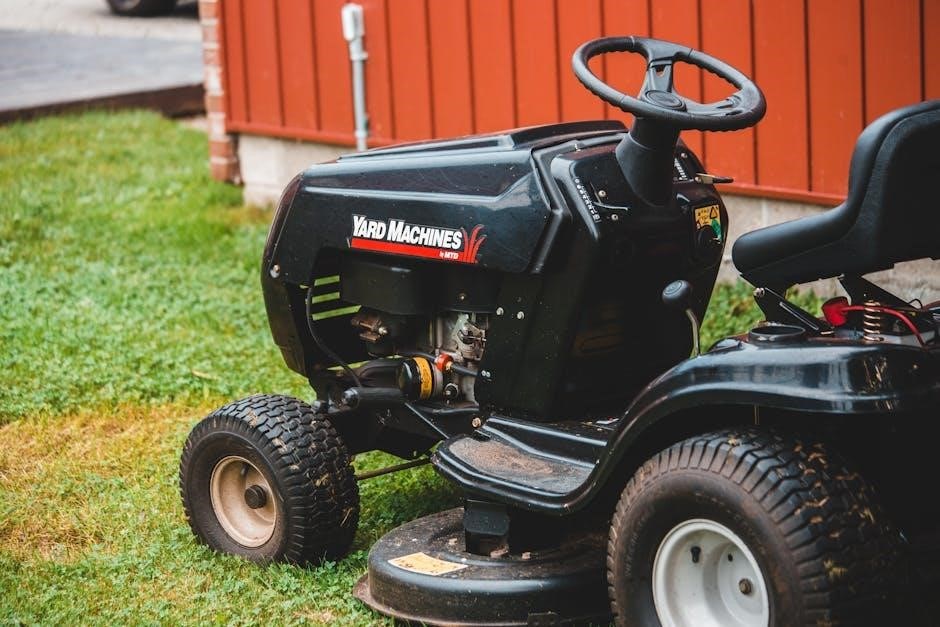
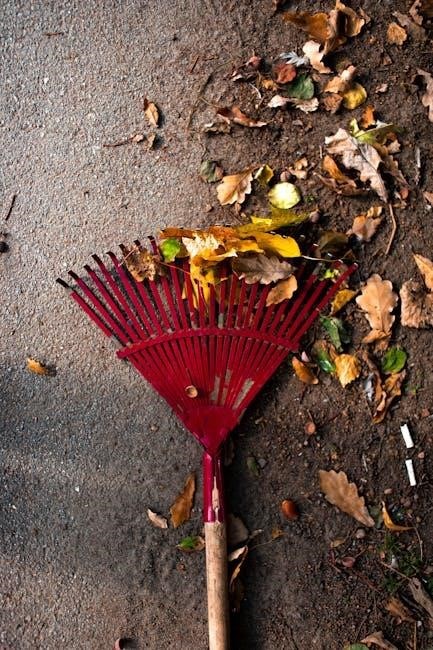
Lawn sweepers represent a significant advancement in yard maintenance, offering a less physically demanding alternative to traditional raking. For homeowners facing the ongoing challenge of leaves, grass clippings, and other debris, these machines provide an efficient solution. Raking, while effective, can be incredibly time-consuming and strenuous, often requiring repeated effort as nature continues its cycle of shedding.
Lawn sweepers streamline this process, covering larger areas in a fraction of the time. This manual aims to equip you with the knowledge to select, assemble, operate, and maintain your lawn sweeper effectively, ensuring a pristine and healthy lawn with minimal effort.
What is a Lawn Sweeper and Why Use One?
A lawn sweeper is a mechanical device designed to collect debris from lawns and paved surfaces. Unlike vacuum systems, lawn sweepers utilize rotating brushes to gently lift and gather leaves, grass clippings, twigs, and other unwanted materials. This makes them ideal for maintaining a tidy outdoor space without damaging delicate grass or surfaces.
The primary benefit of using a lawn sweeper is the significant reduction in physical labor compared to raking. They cover large areas quickly, saving valuable time and energy. Furthermore, sweepers collect debris efficiently, often bagging it for easy disposal or composting, contributing to a healthier lawn ecosystem.
Types of Lawn Sweepers
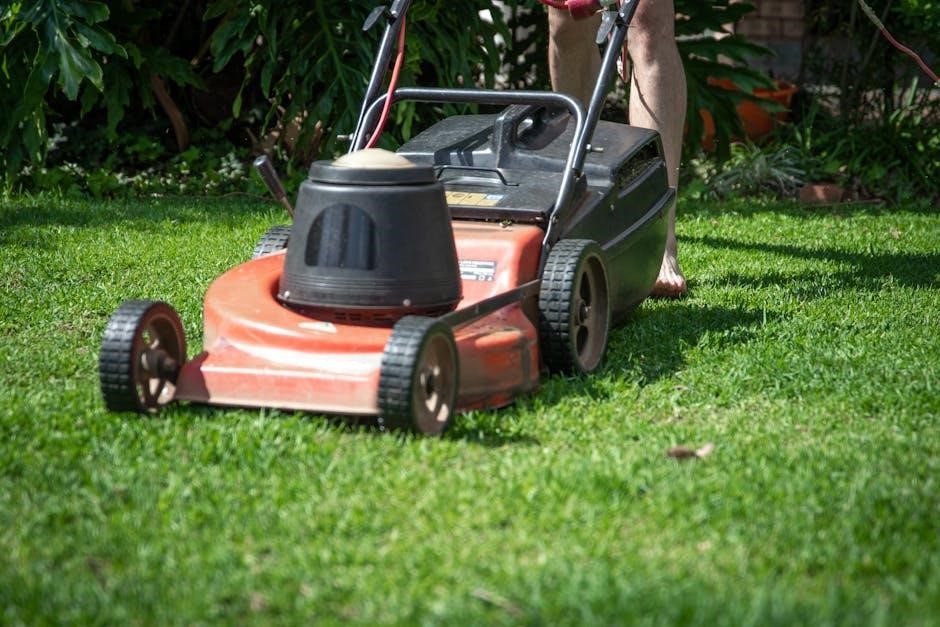
Lawn sweepers broadly fall into two main categories: push and tow-behind models. Push lawn sweepers are manually operated, requiring the user to propel the machine across the lawn. These are best suited for smaller yards and offer excellent maneuverability around obstacles like trees and flowerbeds. They are lightweight and easy to store.

Tow-behind lawn sweepers, as the name suggests, are attached to a riding mower or utility vehicle. These are designed for larger properties, covering expansive areas quickly and efficiently. They typically have larger hopper capacities, reducing the frequency of emptying. Choosing the right type depends on your lawn size and specific needs.
Push Lawn Sweepers
Push lawn sweepers are ideal for homeowners with smaller yards seeking an eco-friendly and cost-effective solution for yard cleanup. These self-propelled units require physical effort to operate, making them a good option for maintaining fitness while completing chores. They excel at collecting leaves, grass clippings, and other light debris.
Their compact design allows for easy navigation around landscaping features, and most models feature adjustable height settings to accommodate different lawn conditions. Push sweepers are generally quieter than gas-powered alternatives and require minimal maintenance, making them a convenient choice for many users.
Tow-Behind Lawn Sweepers
Tow-behind lawn sweepers are designed for larger properties and offer a significant time-saving advantage. These units attach to a garden tractor or riding mower, utilizing the vehicle’s power to drive the sweeping action. They boast larger hopper capacities, reducing the frequency of emptying during operation, and are capable of handling heavier debris loads.
Ideal for extensive leaf cleanup or collecting grass clippings across expansive lawns, tow-behind sweepers provide efficient coverage. While requiring an initial investment in a towing vehicle, they minimize physical exertion and maximize productivity for those with substantial yard maintenance needs.
Key Components of a Lawn Sweeper
Understanding the core parts of your lawn sweeper is crucial for effective operation and maintenance. The primary components work in harmony to efficiently clear your lawn of debris. These include the brush or sweeping roller, responsible for agitating and lifting leaves and clippings.
Equally important is the hopper or collection bag, which gathers the swept-up material. Finally, the height adjustment mechanism allows you to customize the sweeping depth based on the type of debris and lawn conditions, ensuring optimal performance.
Brush/Sweeping Roller
The brush, or sweeping roller, is the engine of debris removal on your lawn sweeper. Typically constructed from durable materials like polypropylene or wire, its design dictates sweeping effectiveness. Different brush types excel at handling varying debris – from lightweight leaves to heavier twigs and grass clippings.
Rotation is key; as the sweeper moves, the brush spins, agitating the lawn surface and lifting debris into the hopper. Regular inspection for wear and tear is vital, as damaged bristles reduce efficiency and can potentially damage your lawn.
Hopper/Collection Bag
The hopper, often paired with a collection bag, is where the swept-up debris accumulates. Constructed from durable, often mesh or fabric materials, it’s designed for easy emptying and disposal. Hopper capacity varies between models, influencing how frequently you’ll need to pause and unload collected leaves and yard waste.
Proper bag attachment is crucial to prevent debris from escaping during operation. Regularly check for tears or damage to the bag, as this impacts collection efficiency and can create a mess. A full hopper reduces sweeping performance, so monitor fill levels.
Height Adjustment Mechanism
The height adjustment mechanism allows you to control the distance between the brush/roller and the lawn surface. This is vital for effective sweeping on varying terrains and debris types. Most sweepers feature a lever or dial to easily modify the height setting.
Lower settings are ideal for thorough collection of small debris, while higher settings are better suited for leaves on uneven ground. Adjusting the height prevents scalping the lawn or leaving debris behind. Experiment to find the optimal setting for your specific yard conditions.
Assembly Instructions
Before first use, some assembly is typically required. Carefully unpack all components and verify against the parts list included in the box. Begin by attaching the wheels to the frame, ensuring they are securely fastened with the provided hardware.
Next, connect the hopper or collection bag to the sweeper body, aligning the mounting points and locking them into place. Finally, install the brush or sweeping roller, confirming it rotates freely. Refer to the detailed diagrams in this manual for visual guidance throughout the assembly process.
Pre-Operation Checks
Prior to each use, perform a quick inspection to ensure optimal performance and safety. First, thoroughly check the brush condition for any signs of wear, damage, or debris entanglement. A worn brush reduces sweeping efficiency.
Next, carefully inspect the hopper or collection bag, verifying it’s securely attached and free from tears or obstructions. Ensure all fasteners are tight and that the sweeper moves freely. Addressing these points proactively will prevent issues during operation and extend the sweeper’s lifespan.
Checking Brush Condition
Regularly assessing the brush is crucial for effective debris removal. Examine the bristles for excessive wear, bending, or breakage; these indicate it’s time for replacement. Look closely for any accumulated debris – twigs, leaves, or stones – that may be wrapped around the brush, hindering its rotation.

Ensure the brush spins freely and isn’t obstructed by foreign objects. A damaged or clogged brush significantly reduces the sweeper’s ability to pick up leaves and other yard waste, impacting overall performance and requiring more effort.
Inspecting the Hopper/Bag
Before each use, thoroughly inspect the hopper or collection bag for tears, holes, or weak seams. Damage can lead to debris escaping during operation, defeating the purpose of sweeping. Check the bag’s attachment points to the sweeper frame, ensuring they are secure and won’t detach during use.
Confirm the bag isn’t overfilled from a previous sweeping session. An excessively full bag restricts airflow and reduces the sweeper’s efficiency. Empty it completely before starting, and verify the release mechanism functions smoothly.
Operating Instructions
To begin, ensure the sweeping area is clear of large objects like rocks and branches that could damage the sweeper. Start with a slow, steady pace, overlapping each pass slightly to avoid leaving unswept strips. Maintain a consistent walking speed for optimal debris collection.
Avoid sharp turns, as this can reduce the sweeper’s effectiveness. For heavier leaf accumulations, reduce your speed to allow the sweeper to thoroughly pick up the debris. Regularly monitor the hopper’s fill level and empty it when necessary to maintain peak performance.
Safe Operating Procedures
Always wear appropriate safety glasses or goggles to protect your eyes from flying debris. Closed-toe shoes are essential to prevent foot injuries. Before each use, inspect the sweeping area for potential hazards like hidden objects.
Never operate the sweeper near roadways or pedestrian traffic. Keep children and pets a safe distance away during operation. If the sweeper encounters resistance, immediately stop and investigate the cause – do not force it.

Effective Sweeping Techniques
Overlap each sweeping pass by a few inches to ensure complete coverage and prevent missed debris. Maintain a consistent walking pace for optimal performance; avoid rushing. For heavier leaf accumulations, reduce your walking speed.
Slightly angle the sweeper during turns to maintain consistent debris pickup. Regularly empty the collection bag to prevent clogging and maintain suction. Sweeping when the grass is dry yields the best results, as wet leaves can be harder to collect.
Maintenance and Care
Regular maintenance extends the life of your lawn sweeper and ensures optimal performance. After each use, thoroughly clean the hopper and brush roller, removing any accumulated debris. Inspect the brush for wear and tear; replace it when bristles become significantly worn or damaged.
Periodically check all fasteners and tighten as needed. Store the sweeper in a dry location to prevent rust and corrosion. Lubricate moving parts annually to maintain smooth operation. Proper care minimizes repairs and maximizes efficiency.
Cleaning the Sweeper
Consistent cleaning is crucial for maintaining your lawn sweeper’s efficiency. After each use, disconnect the power source (for electric models) or engine (for gas models) before beginning. Empty the hopper completely, disposing of collected debris appropriately. Use a brush or compressed air to remove leaves and grass clippings from the sweeping roller and housing.
Inspect the brush for tangled materials and carefully remove them. Wipe down all surfaces with a damp cloth. Avoid using harsh chemicals or abrasive cleaners, as these can damage the sweeper’s components.
Brush Replacement
Over time, the sweeping brush will wear down and require replacement to maintain optimal performance. Consult your lawn sweeper’s model-specific documentation for the correct brush type and size. Typically, brush replacement involves removing a retaining clip or bolts that secure the brush to the roller.
Carefully slide the old brush off the roller and align the new brush, ensuring the bristles are facing the correct direction for effective sweeping. Reinstall the retaining clip or bolts, tightening them securely. Regularly inspecting the brush condition will prevent damage to the sweeper.
Troubleshooting Common Issues
Encountering problems with your lawn sweeper is common, but often easily resolved. If the sweeper isn’t picking up debris, check for clogged discharge chutes or a worn brush – replacement may be necessary. Difficulty pushing or towing could indicate an overloaded hopper, requiring frequent emptying.
Ensure the height adjustment is appropriate for the lawn conditions. Inspect the wheels for obstructions and verify the brush is rotating freely. Addressing these issues promptly will restore efficient operation and prolong the sweeper’s lifespan, saving you time and effort.
Sweeper Not Picking Up Debris
If your lawn sweeper fails to collect leaves and grass clippings, several factors could be at play. First, inspect the brush or sweeping roller for excessive wear; damaged bristles reduce effectiveness. A clogged discharge chute is a frequent culprit, restricting airflow and preventing debris from reaching the hopper.
Also, verify the hopper isn’t overfilled, hindering further collection. Ensure the height adjustment is set correctly for the lawn’s condition – too high, and debris passes underneath. Finally, check for obstructions around the brush preventing proper rotation.

Difficulty Pushing/Towing
Experiencing resistance while pushing or towing your lawn sweeper can indicate several issues. For push models, check the brush for debris entanglement, creating drag. Ensure the height adjustment isn’t set too low, forcing the sweeper to work against the ground. Examine the wheels for obstructions like tangled grass or stones.

If using a tow-behind model, verify the hitch connection is secure and the towing vehicle’s speed is appropriate – excessive speed can strain the system. Also, confirm the sweeper is level and not tilted, causing uneven resistance during operation.
Storage Guidelines
Proper storage extends the life of your lawn sweeper. Before long-term storage, thoroughly clean the hopper and brush, removing all accumulated debris to prevent corrosion. Store the sweeper in a dry, covered area, such as a garage or shed, protecting it from the elements.
For push models, consider storing it upright to save space. Tow-behind sweepers should be stored with the hitch supported. Regularly check tires for proper inflation during storage, and consider a light coating of protectant on metal parts to prevent rust.

Safety Precautions
Always prioritize safety when operating your lawn sweeper. Before each use, inspect the area for obstacles like rocks, toys, or wires that could become projectiles. Wear appropriate safety glasses and sturdy footwear to protect against debris.
Never operate the sweeper at high speeds, especially on uneven terrain. Keep children and pets a safe distance away during operation. For tow-behind models, ensure secure hitching and follow tractor/vehicle safety guidelines. Disconnect the sweeper before performing any maintenance or adjustments.
Warranty Information
Your lawn sweeper is warranted against defects in materials and workmanship for a period of one year from the date of original purchase. This warranty covers parts and labor necessary to repair or replace a defective product.
The warranty is void if the sweeper has been subjected to misuse, abuse, neglect, or unauthorized modifications. Proof of purchase is required for all warranty claims. Contact our customer support team at [insert phone number or email address] to initiate a claim.
Be First to Comment